Vehicle TPMS look-up

Herramientas TPMS

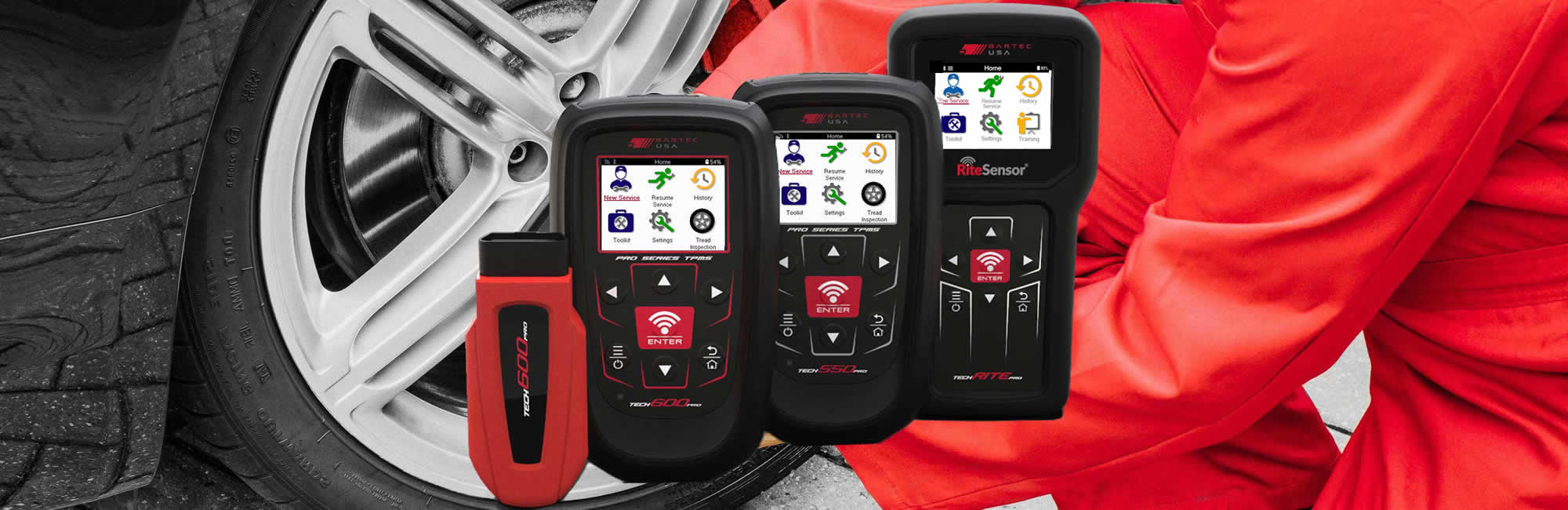
Las herramientas Bartec TPMS son utilizadas por las empresas de servicio de ruedas y neumáticos más importantes del mundo. En Bartec TPMS, nuestro objetivo es seguir ofreciendo tecnología e innovación pioneras en el mercado, ayudando a nuestros clientes a dominar el área de las ruedas. ¡Presentamos la próxima generación en servicio TPMS: el Tech600Pro!
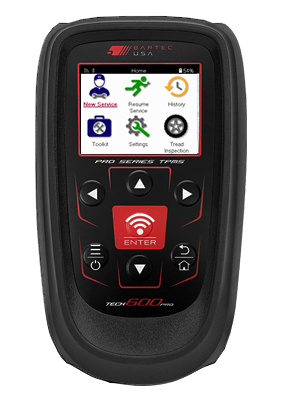
¡Tech600Pro es la última innovación en herramientas TPMS de Bartec! ¡La alta tecnología se combina con lo asequible en esta solución TPMS rápida y precisa!

  • Conexión inalámbrica del vehículo
  • Pantalla a color de alta resolución
  • Actualización de Wi-Fi

¡El Tech550Pro es la última evolución de la herramienta TPMS de Bartec!

  • Funciona con todos los sensores TPMS OE conocidos
  • Realiza reaprendizaje estacionario y OBD
  • El informe de auditoría TPMS completo le informa a su cliente lo que necesita saber

¡La innovación más reciente de TPMS de Bartec es TechRITEPro!

  • Pantalla a color de alta resolución de 2,8”
  • Batería Li-Po de 2,3 Ah
  • Dimensiones: 8" de alto x 4" de ancho x 1,5" de profundidad
Paquete Tech600Pro/Rite-Sensor®

Una herramienta de estilo combinado es clave No cualquier herramienta, sino una que sea capaz de realizar diagnósticos y reaprender el vehículo y borrar los DTC. ¡Es imposible reparar adecuadamente el TPMS y mantener los vehículos en funcionamiento sin una herramienta TPMS de estilo combinado!

  • Funciona con todos los sensores TPMS OE conocidos
  • Proporciona diagnósticos de prueba antes de tocar
  • El informe de auditoría completo de TPMS le dice a su cliente lo que necesita saber
Las mejores herramientas, software, sensores y soporte de TPMS disponibles para EE. UU. y Canadá. Bartec TPMS está a la vanguardia del servicio y la innovación de TPMS.

  • Actualizaciones de software para marca, modelo y año (MMY)
  • Actualizaciones de la interfaz de usuario para las herramientas Bartec TPMS
  • Presentar datos de TPMS a sus clientes
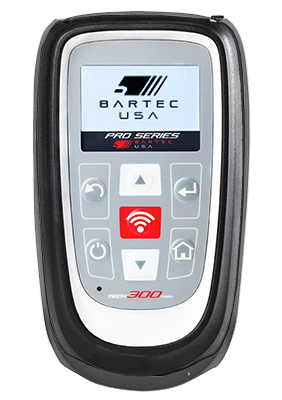
Información de soporte continuo para herramientas TPMS que ya no se suministran. Hemos vendido miles de herramientas TPMS a lo largo de los años.

  • Soporte para la herramienta TPMS Tech300Pro
  • Soporte para la herramienta TPMS Tech500
  • Soporte para la herramienta TPMS Tech400SD

Bartec es líder en EE. UU. y Canadá, con una amplia red de distribución que abarca los 50 estados, lo que garantiza que usted tenga acceso a la capacitación sobre TPMS cerca de usted.

  • Soporte de equipo original y asistencia en campo para herramientas TPMS.
  • En promedio, tenemos 4 distribuidores autorizados en cada estado.
  • Tutoriales en línea y prestación de formación y asistencia al usuario.
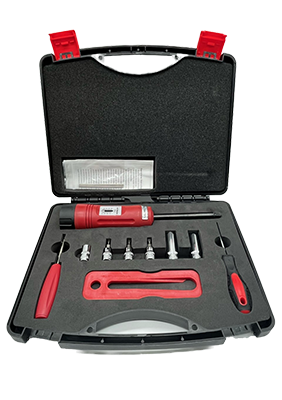
Una amplia gama de accesorios TPMS para que el servicio de su tienda de neumáticos y el proceso de satisfacción del cliente sean los mejores disponibles.

  • Kit de herramientas mecánicas TPMS

El Servicio Certificado de Llantas Automotrices (ATS) está diseñado para técnicos profesionales en llantas de pasajeros y camiones ligeros con temas.

  • Procedimientos de reaprendizaje de TPMS en vehículos nacionales e importados.
  • 15 Módulos que componen el Programa de Servicio Certificado de Llantas Automotrices (ATS)
  • Certificando a Instructores y Técnicos ATS en el campo
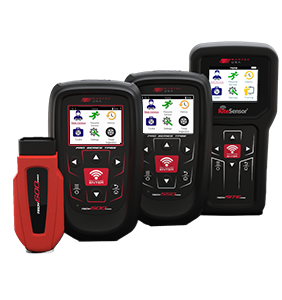
Una comparación de las características del TECH600Pro, TECH450Pro y TECHRITEPro.

Frequently Asked Herramientas TPMS Questions

A TPMS tool is a diagnostic and service device used by automotive technicians to inspect, diagnose and service a vehicle's Tire Pressure Monitoring System (TPMS).

Depending on the tool and vehicle, a TPMS tool can activate and read TPMS sensors, display sensor data, diagnose TPMS faults, program compatible replacement sensors and assist with vehicle relearn procedures.

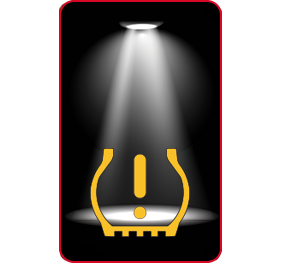
Yes. If the TPMS warning light is illuminated, first check that all tires are inflated to the vehicle manufacturer's recommended pressures. If the warning remains, a compatible TPMS tool can be used to test the sensors and help identify the cause of the fault.

Depending on the vehicle and tool, diagnosis may include activating and reading each TPMS sensor and communicating with the vehicle through the On-Board Diagnostics (OBD-II) port to read relevant Diagnostic Trouble Codes (DTCs).

The required procedure depends on the vehicle and the cause of the warning light. After correcting tire pressures or replacing a faulty TPMS sensor, the vehicle may require a TPMS relearn so that the system recognizes the correct sensor IDs and, where applicable, wheel positions.

Depending on the vehicle, this may involve a stationary relearn, an OBD-II relearn or an auto learn procedure. Once the fault has been corrected and the appropriate relearn procedure has been completed successfully, the TPMS warning light should turn off.

After selecting the vehicle's make, model and year, a compatible TPMS tool can transmit the appropriate Low Frequency (LF) activation signal to the TPMS sensor. This wakes the sensor and prompts it to transmit a Radio Frequency (RF) signal containing its sensor data.

The TPMS tool receives and decodes this signal, allowing the technician to check the sensor and the information it is transmitting.

A TPMS tool uses a Radio Frequency (RF) receiver to receive the signal transmitted by a TPMS sensor. TPMS sensors used in North America commonly transmit at 315 MHz or 433 MHz/433.92 MHz.

The tool decodes the signal and, depending on the sensor, can display information such as the sensor ID, tire pressure, temperature and battery status. This information helps the technician evaluate the condition and operation of the TPMS sensor.

Depending on the vehicle and service procedure, a TPMS tool may communicate with the vehicle through its On-Board Diagnostics (OBD-II) port. This connection can be made using a compatible cable or, with supported tools, a wireless vehicle communication interface.

OBD-II communication can be used for functions such as reading diagnostic information, completing certain TPMS relearns, writing sensor IDs to the vehicle and clearing applicable Diagnostic Trouble Codes (DTCs).

Not every TPMS service procedure requires OBD-II communication, so technicians should follow the correct procedure for the specific vehicle make, model and year.

After a faulty or damaged TPMS sensor has been replaced, the vehicle may need to learn the new sensor ID and, where applicable, its wheel position.

The required procedure varies by vehicle. Direct TPMS systems generally use one of three relearn methods: stationary relearn, OBD-II relearn or auto learn. A compatible TPMS tool can guide the technician through the correct procedure for the selected vehicle.

When choosing a professional TPMS tool, consider features such as:

  • Broad OE TPMS sensor and vehicle coverage
  • Support for compatible programmable replacement TPMS sensors
  • Support for stationary, OBD-II and auto learn procedures
  • Regular vehicle and sensor coverage updates
  • Convenient software and coverage updates
  • Clear diagnostic information and guided service procedures
  • Durable construction suitable for a tire shop or automotive workshop
  • OBD-II communication where required
  • Service reporting and data transfer capabilities
  • Access to reliable technical support

Depending on your requirements, you may also want features such as wireless OBD-II communication, Wi-Fi connectivity, wireless charging and Bluetooth Low Energy (BLE) support. Available features vary by TPMS tool.

Not necessarily. A professional TPMS tool with broad vehicle and sensor coverage can service many different vehicle makes and models.

However, coverage varies between TPMS tools, vehicles and replacement sensors. Before carrying out a repair, technicians should confirm that their tool supports the specific vehicle make, model and year, as well as the required sensor and service procedure.

First, check that your TPMS tool has the latest software and vehicle coverage updates installed. New vehicles, TPMS sensors and service procedures are introduced regularly, so keeping the tool up to date is important.

If you are using a programmable replacement TPMS sensor, confirm that the sensor supports the vehicle's make, model and year and that your TPMS tool supports programming that sensor.

If the vehicle and sensor are supported and the problem continues, follow the tool's diagnostic procedure or contact technical support for assistance.

–

The SEMA Show is the premier trade show geared to help small businesses thrive and succeed. The trade-only event enables automotive specialty equipment manufacturers to display alongside automotive manufacturers to debut new, innovative products, and connect with industry buyers from all over the world.